Small Changes Can Mean Something Big
Cats and dogs are experts at hiding pain. In the wild, showing weakness makes an animal a target, so many pets carry on as normal until a problem is already serious. That is why the small changes you notice at home matter so much.
As a veterinary clinic in Al Furjan, we often see pets whose owners say, “I thought it would pass.” Catching a problem early usually means simpler treatment, a faster recovery and lower costs. Below are the 10 signs that mean your cat or dog should see a vet soon, and how quickly you should act on each one.
The 10 Signs at a Glance
| Sign | How soon to see a vet |
|---|---|
| 1. Breathing changes | Immediately |
| 2. Not eating or drinking | Within 24 hours (sooner for cats) |
| 3. Repeated vomiting or diarrhoea | Same day |
| 4. Trouble urinating | Same day; immediately for male cats |
| 5. Unusual tiredness or hiding | Within 24 hours |
| 6. Drinking more or weight change | Within a few days |
| 7. Limping or signs of pain | Within 24–48 hours |
| 8. Eye or ear problems | Within 24–48 hours |
| 9. Bad breath or drooling | Within a week |
| 10. Skin problems or new lumps | Within a week |
10 Signs Your Cat or Dog Needs to See a Vet
1. Changes in breathing
Fast, noisy or laboured breathing at rest is never normal. Watch for open-mouth breathing in cats, a stretched-out neck, or blue or pale gums. Breathing problems can point to heart disease, fluid in the chest or an airway blockage, and they need a vet straight away.
2. Not eating or drinking
One skipped meal is not always a worry. A pet that refuses food for more than 24 hours, or stops drinking, needs a check-up. Cats are especially at risk: going without food for even a few days can trigger a serious liver condition.
3. Repeated vomiting or diarrhoea
A single episode after eating something unusual may settle on its own. Vomiting or diarrhoea that happens several times in a day, contains blood, or comes with lethargy can quickly lead to dehydration, especially in puppies, kittens and older pets.
4. Trouble urinating
Straining in the litter box, passing only small drops, crying while urinating or blood in the urine all need attention. In male cats, a blocked bladder can become life-threatening within hours, so treat it as an emergency.
5. Unusual tiredness or hiding
You know your pet’s normal energy level best. A dog that will not get up for a walk, or a cat that suddenly hides under the bed for most of the day, is often feeling unwell or in pain.
6. Drinking more or changes in weight
A water bowl that empties faster than usual, more frequent urination, or weight loss despite a good appetite can be early signs of diabetes, kidney disease or thyroid problems. A simple blood test can often find the cause.
7. Limping or signs of pain
Limping, reluctance to jump or climb stairs, yelping when touched, or a hunched posture all suggest pain. It could be a sprain, an injured paw pad or a joint problem. X-rays and imaging help us see what is going on beneath the surface.
8. Eye or ear problems
Squinting, redness, cloudiness or discharge from the eyes should be checked quickly, as some eye conditions worsen within days. For ears, look for head shaking, scratching, a bad smell or dark discharge.
9. Bad breath, drooling or pawing at the mouth
Strong breath is not just “dog breath”. It is often a sign of dental disease, which can cause pain and affect your pet’s overall health. Drooling, dropping food or chewing on one side are other clues. Learn more about our dental care.
10. Skin problems or new lumps
Constant scratching, licking, hair loss, red patches or a dull coat can point to allergies, parasites or infection. Any new lump or bump should be checked, especially if it grows, changes shape or bleeds. Most lumps are harmless, but only a vet can tell.
When Not to Wait: Signs of an Emergency
Some situations cannot wait for an appointment. Call our emergency line on 055 857 3380 and head to the clinic straight away if your pet:
- Collapses, has a seizure or cannot stand
- Struggles to breathe or has pale, blue or grey gums
- Has a swollen, hard belly and tries to vomit without bringing anything up (a sign of bloat in dogs)
- Has eaten something toxic, such as chocolate, grapes, medication or cleaning products
- Is bleeding heavily or has been hit by a car
A note on Dubai heat: heatstroke is one of the most common summer emergencies we see. Heavy panting, thick drool, bright red gums, wobbling or vomiting after time outdoors are warning signs. Move your pet somewhere cool, offer small sips of water, wet them with cool (not ice-cold) water and call us on the way.
Not sure whether it is an emergency? Read our guide to clinic vs emergency vet care or visit our emergency page.
How to Prepare for Your Vet Visit
A few simple steps help your vet reach a diagnosis faster:
- Note what you have seen: when the signs started, how often they happen and whether they are getting worse.
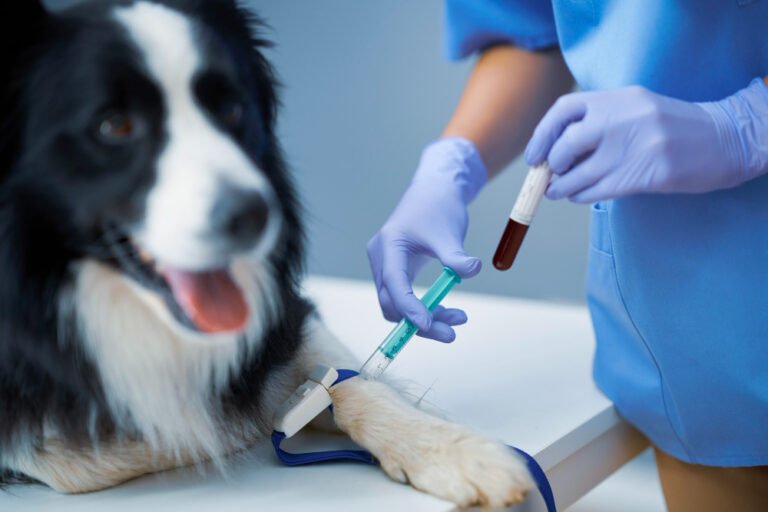
- Take a photo or video: a short clip of a limp, a cough or a seizure is incredibly helpful, as pets often behave differently at the clinic.
- Bring a sample if asked: a fresh stool sample, or a photo of vomit, can save time.
- Bring packaging: if your pet may have eaten something toxic, bring the wrapper or label.
- Do not give human medicine: many common painkillers are dangerous for cats and dogs.
Noticed One of These Signs? We Are Here to Help
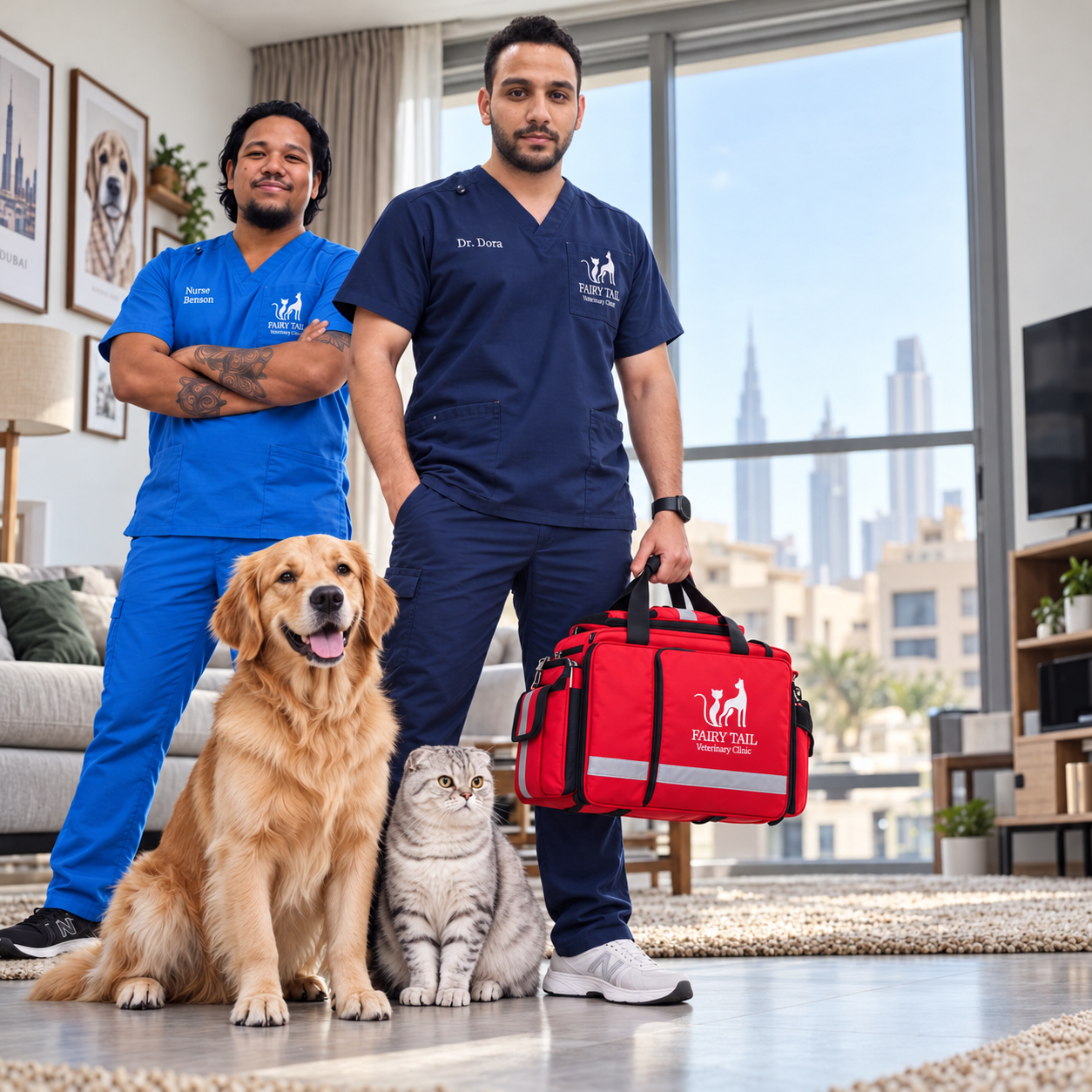
At Fairy Tail Veterinary Clinic in Al Furjan, we would always rather see your pet early than wait until a small problem becomes a big one. Our team cares for more than 1,000 pets a year, with in-house lab tests and diagnostic imaging that help us find answers during the same visit.
If you are still choosing a vet for your pet, read our guide to choosing the right veterinary clinic in Al Furjan.
Worried about your pet? Book an appointment, call us on 055 912 9073, or visit us at Rose Residence 1, beside Ecos Hotel, Al Furjan. For emergencies, call 055 857 3380.
Frequently Asked Questions
How long can a cat or dog go without eating before I see a vet?
If your pet skips food for more than 24 hours, book a check-up. For cats, puppies, kittens and pets with existing health conditions, call sooner.
Is it normal for my dog to pant a lot in Dubai’s heat?
Some panting is normal after exercise. Heavy panting that does not settle in a cool room, or that comes with drooling, weakness or vomiting, can be heatstroke and needs urgent care.
Should I wait to see if my pet gets better on its own?
For mild, one-off signs in an otherwise happy pet, it is reasonable to watch for 24 hours. If signs repeat, get worse or your pet seems unwell, it is always safer to call your vet.
How do I know if my pet is in pain?
Common signs include limping, hiding, restlessness, panting at rest, a hunched back, less interest in food and reacting when touched. Cats often show pain by becoming quiet and withdrawn.
Can I bring my pet to Fairy Tail without an appointment?
For emergencies, call 055 857 3380 and come straight in. For non-urgent concerns, booking an appointment helps us give your pet our full attention.